
AI-Powered Disclosure Tools for Instagram Paid Partnerships
AI tools that enforce FTC disclosure rules on Instagram—pre-publication scans, real-time monitoring, risk scoring and audit logs to protect brands and creators.
AI tools that enforce FTC disclosure rules on Instagram—pre-publication scans, real-time monitoring, risk scoring and audit logs to protect brands and creators.
4.98 /5 - from 58k reviews
Trusted by 50,000+ creators — get real engagement delivered to your profile in minutes, not days.

When influencers promote products on Instagram, clear disclosure of paid partnerships isn’t just polite - it’s required by the FTC. However, 80% of influencers fail to meet these standards, exposing brands to legal risks, fines (up to $53,000 per violation), and loss of trust.
To tackle this, AI-powered tools help brands ensure compliance by automating tasks like pre-publication checks, real-time monitoring, and risk scoring. These systems verify FTC-compliant disclosures, such as #ad or #sponsored, ensuring they’re clear, visible, and not buried under hashtags or hidden in videos. They also maintain audit logs for legal defense.
Here’s what these tools offer:
For small creators, manual checks may suffice. But for brands managing large campaigns, these tools are essential to avoid hefty fines and maintain transparency.
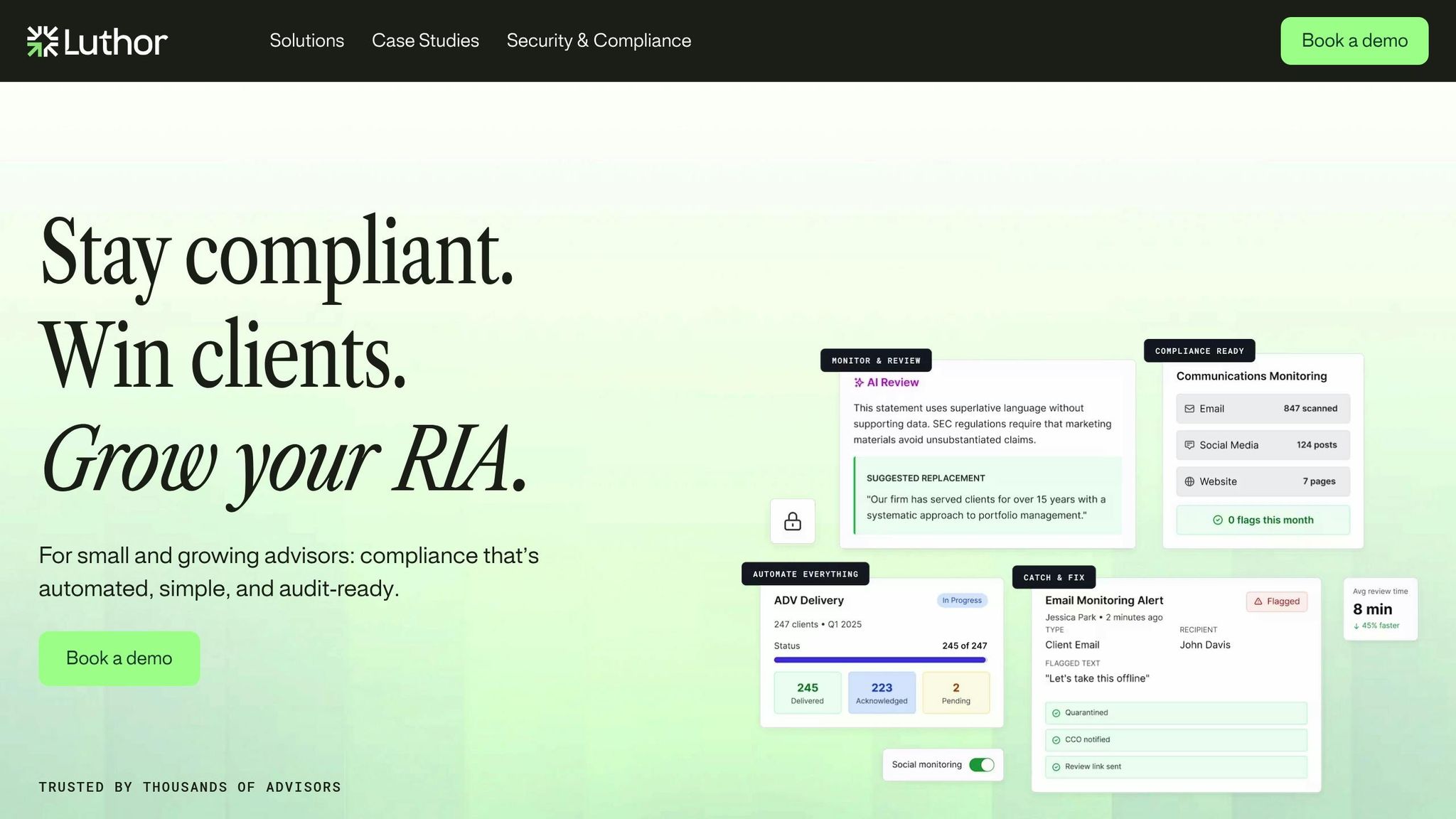
Information about the Luthor AI Compliance Platform is still limited. Early claims suggest it includes features like pre-publication scanning, real-time monitoring, automated risk scoring, and audit logging. However, these details have yet to be verified. Without concrete evidence, it’s difficult to evaluate how well Luthor supports FTC-compliant disclosures for Instagram paid partnerships. A more thorough analysis will require validated data to determine how it compares to other AI-driven disclosure tools.
Influencer marketing platforms and social publishing tools are stepping up their game by integrating AI-powered compliance checks directly into their workflows. These automated tools scan and flag content to ensure Instagram posts and videos meet FTC and Instagram disclosure standards. This minimizes the need for manual reviews and extensive creator training, while providing a steady safety net for brands.
For U.S. brands, the stakes are high. The FTC holds advertisers accountable for monitoring and correcting influencer content. To address this, many platforms now include disclosure compliance as a standard feature.
Some platforms go even further, offering built-in compliance modules with automated FTC checks, real-time monitoring, and audit logs. This integrated approach allows brands to handle everything - from finding influencers to approving content and ensuring compliance - within a single system.
Pre-publication scanning acts as a safeguard by analyzing Instagram posts, Reels, and Stories before they’re published. The AI scans captions, hashtags, and text overlays to check for missing or unclear disclosures. It also ensures that Instagram’s Paid Partnership label is used when required. For example, if disclosures like "#ad", "#sponsored", or "Paid partnership with [brand]" are absent or buried in a long list of hashtags, the system will block the post from going live.
For video content, the process gets trickier. The AI evaluates text overlays to confirm they’re large enough, easy to read, and visible long enough for viewers to notice. Some platforms even simulate how the content looks on a vertical mobile screen to ensure disclosures aren’t hidden behind interface elements or pushed below the "See more" button.
Updated FTC guidelines highlight that Instagram’s Paid Partnership tag alone isn’t enough. Pre-publication scanners enforce a layered approach, requiring both the native label and clear, explicit disclosure language. After these checks, real-time monitoring ensures the content remains compliant once it’s live.
Content edits and platform updates can unexpectedly disrupt disclosures, making real-time monitoring a must. This process continuously reviews live and recently published content to ensure disclosures remain clear and visible. Using API-based or visual scanning, these systems check that the Paid Partnership label is active, disclosures are prominently displayed, and video overlays remain visible.
Quick detection is key, especially given the hefty fines for non-compliance. Real-time monitoring allows compliance teams to act fast - requesting edits or removals to avoid regulatory trouble and maintain audience trust.
For example, when paired with a service like UpGrow, which focuses on Instagram-compliant follower growth, these systems can prioritize high-profile posts during campaigns. They automatically check for required disclosures and step in immediately if issues arise, protecting both the brand and the campaign.
Building on real-time monitoring, risk scoring and automation simplify compliance further. These tools assign a risk level to content based on factors like disclosure clarity, the presence of the Paid Partnership tag, the campaign’s visibility, and the creator’s track record. Posts expected to reach a larger audience are flagged as higher risk compared to those with a smaller reach.
High-risk content can trigger automated actions, such as blocking publication, notifying compliance teams, or requiring disclosure updates. On the flip side, posts with clear, prominent disclosures can be auto-approved. Over time, machine learning fine-tunes these risk scores by analyzing trends in consumer complaints, internal reviews, and platform warnings, making the system smarter and more efficient.
Audit logging keeps a detailed record of every step in the content’s lifecycle. This includes campaign briefs, disclosure guidelines shared with creators, pre-publication scan results, user overrides, the final disclosure format at posting, and any subsequent edits or removal requests.
For U.S. brands, these time-stamped logs are crucial. They demonstrate to the FTC that the brand is taking proactive steps to ensure compliance, from providing clear disclosure templates to monitoring live posts. These logs can also serve as evidence if any issues arise. Internally, they help teams spot recurring problems - like difficulties with Reels or specific influencer groups - so they can adjust contracts, training, or automated rules accordingly.
AI tools designed for managing contracts play a vital role in ensuring Instagram disclosure compliance. They take complex FTC guidelines, Instagram's rules, and brand-specific contract terms and turn them into automated checks that oversee every stage of content creation and publication. This not only shields brands from potential regulatory penalties but also helps avoid disputes over influencer agreements.
For U.S. brands, this is especially important. The FTC holds advertisers responsible for how their influencers disclose paid partnerships, yet a staggering 80% of influencers fail to meet these standards. By converting compliance rules into machine-readable formats, these tools lighten the load on legal teams while maintaining consistent enforcement across large influencer campaigns. They automate everything from pre-publication checks to ongoing monitoring, ensuring compliance throughout an entire campaign.
Before a post is published, these AI tools conduct a detailed pre-publication review. They analyze captions, on-screen text, and even audio transcripts to ensure compliance with FTC regulations and contractual requirements. For example, they check for clear disclosure terms like #ad or #sponsored, avoiding vague alternatives such as #partner or #collab.
A standout feature is the automation of contract enforcement. These tools can process clauses from brand-influencer agreements, such as "The first three words of the caption must include #ad" or "Meta's Paid Partnership tool must be used for all campaigns." The AI then applies these terms as automated rules. If a creator drafts a post that doesn't meet these obligations - whether it’s missing required hashtags, brand tags, or specific wording - the system blocks publication and provides actionable feedback based on the contract.
Once posts go live, the work isn’t over. These tools continuously monitor published content to catch any changes that might violate compliance. For instance, they can detect if a creator edits a post to weaken or remove disclosure language. Advanced systems also spot subtle brand mentions that could indicate undisclosed partnerships. They monitor elements like whether disclosures remain visible above the "See more" fold and analyze user interactions or comments that might hint at compliance concerns. This constant vigilance ensures that content stays aligned with both regulatory and contractual standards.
Beyond monitoring, risk scoring adds another layer of precision. The system evaluates factors like the clarity and placement of disclosures, the influencer’s history of compliance, audience size, and even geographic considerations to assign a risk level. For example, posts missing a prominent #ad tag or the Paid Partnership label are flagged as high risk and sent to legal teams for review. Meanwhile, posts that fully comply with FTC rules and contract terms can be auto-approved.
These tools can also halt publication if a post’s risk score crosses a certain threshold, suggest revisions to creators, or send alerts about necessary changes. On a broader scale, consistently high-risk scores across an influencer’s content might lead to renegotiating or even terminating contracts, showcasing the brand’s commitment to compliance.
Audit logging provides a detailed, time-stamped record of every step in the Instagram disclosure process. This includes everything from initial drafts and AI scan results to risk scores, suggested changes, final approvals, and post-publication edits. Logs capture specifics, such as whether #ad appeared in the first few words or if the Paid Partnership tag was used, and include screenshots or video frames for added context.
These logs can be exported into compliance reports summarizing campaign performance. Metrics like the percentage of posts that passed pre-publication checks, the distribution of risk scores, and the number of blocked or edited posts help brands demonstrate their efforts. Such detailed records not only show that brands are actively enforcing disclosure requirements but also provide a robust defense if regulators question the campaign’s compliance.
AI-generated content, unlike human-created posts, lacks judgment and relies heavily on automated oversight to ensure compliance. Platforms like Instagram now feature AI-driven creations such as virtual influencers, AI-assisted Reels, and automated content tools. These innovations bring new challenges, especially when it comes to adhering to FTC disclosure rules. With four out of five social media influencers still failing to properly disclose paid partnerships, automated monitoring is essential to manage the scale and complexity of AI-generated sponsored posts. Such measures address the unique challenges of AI-driven content, distinguishing them from traditional influencer campaigns.
Before AI-generated sponsored posts go live, specialized tools step in to conduct thorough compliance checks. For brands using AI-generated influencers or virtual personas, this step is critical because synthetic creators lack the ability to recognize compliance issues. These tools ensure that text overlays meet minimum size requirements - typically at least 24pt on mobile screens - and verify that disclosures are visible long enough to be noticed. If a disclosure is hidden or improperly formatted, the tool blocks the post and prompts corrections before publication.
Once the content is published, real-time monitoring tools take over to address compliance issues that may arise in automated workflows. These tools continuously verify the visibility of disclosures and adapt quickly to changes in user interfaces. For example, marketing analytics platforms like Ravineo have reported that around 80% of influencers fail to properly disclose sponsored content or brand deals. Monitoring systems flag posts where virtual influencers repeatedly mention brands without proper disclosure tags or when automated content includes unchecked product placements, ensuring compliance remains intact.
In high-volume AI content environments, risk scoring helps brands focus on posts that need immediate attention. The system assigns risk levels based on the clarity and compliance of disclosures, pausing high-risk posts until corrections are made. Posts with weak disclosure signals are flagged for review, while those with clear indicators like Paid Partnership labels or #ad overlays are marked as low-risk. This approach is especially beneficial for large-scale campaigns, allowing brands to prioritize posts that pose the greatest compliance risks. Some platforms, like Viral Pitch, boast a "95% brand-match accuracy" in their AI systems, which support both creator matching and compliance automation.
Every stage of the monitoring process is meticulously documented in audit logs, tracking AI-generated content from creation to publication. These logs record timestamps for content creation, scanning, and publication, along with details of disclosure checks and risk scores. For each post, the system captures the use of Instagram's Paid Partnership label, the inclusion of hashtags like #ad or #sponsored, the duration of disclosure overlays in videos, and any warnings or required fixes. Screenshots or video frames showing disclosure placement at the time of publication are also included. Additionally, audit logs can identify specific AI tools used in content creation, highlighting recurring compliance gaps. These detailed records are vital since FTC warnings stress that relying solely on built-in "Paid Partnership" tools is insufficient.
AI-powered disclosure tools come with a mix of benefits and drawbacks. Understanding these trade-offs is crucial for brands and creators to select the right solution based on their compliance needs and the scale of their campaigns. Below, we break down the strengths and limitations of each tool category.
AI compliance platforms like Luthor offer a thorough approach to meeting FTC disclosure requirements. These platforms automatically scan content before it’s published, ensuring captions, text overlays, and font sizes meet the FTC's "clear and conspicuous" standard. They also monitor posts after publication, flagging issues like platform interface changes that might obscure disclosures. However, these platforms often come with enterprise-level pricing that’s not transparent and may be out of reach for small brands or individual creators. Additionally, integrating these tools into existing workflows can complicate the publishing process.
Influencer and social publishing platforms provide a more balanced solution by combining campaign management with AI-powered compliance checks. These platforms simplify workflows by integrating influencer discovery and compliance into one tool. However, their compliance checks are often less detailed - focusing on whether a disclosure tag exists rather than analyzing specifics like overlay visibility throughout a video or verbal disclosures in the first few seconds. This lack of depth makes them less reliable for brands with stringent compliance needs.
Legal and contract-focused AI tools excel at creating and managing documentation. They generate contracts that clearly outline disclosure requirements, track payments and product values, and maintain records of commercial relationships. These tools are especially valuable in the event of FTC enforcement actions, where fines can exceed $53,000 per violation as of 2025. However, their focus is on backend processes, like contracts and audit trails, rather than ensuring disclosures are correctly implemented in live posts. This makes them more effective for legal defense than for preventing compliance issues in real time.
AI tools for monitoring AI-generated sponsored content tackle the growing challenge of policing virtual influencers and automated content. Platforms like Ravineo scan Instagram, YouTube, and TikTok to detect undisclosed brand mentions and hidden collaborations. These tools are ideal for large-scale campaigns where manual monitoring isn’t feasible. However, they are reactive rather than proactive - identifying issues only after content has been published, which means compliance risks may already have materialized.
Here’s a quick comparison of the key features and limitations across these tool categories:
| Tool Category | Key Strengths | Primary Limitations |
|---|---|---|
| AI Compliance Platforms | Pre-publication scanning, FTC "clear and conspicuous" checks, real-time monitoring | Enterprise-level pricing, workflow integration challenges, potential need for team training |
| Influencer Platforms | Combines campaign management and compliance, automated #ad tag checks, all-in-one functionality | Less detailed checks, may miss timing issues (e.g., verbal disclosures or overlay duration) |
| Legal/Contract AI Tools | Strong documentation, contract generation, detailed audit trails, tracks payment/gift values | Limited real-time monitoring, focuses on backend processes rather than live post compliance |
| AI Monitoring Tools | Detects undisclosed partnerships across platforms, scalable for high-volume campaigns | Reactive, identifies issues post-publication, requires follow-up actions to address compliance gaps |
One universal limitation of these tools is that they cannot fully guarantee compliance with the FTC’s updated guidelines. For example, relying solely on Instagram’s Paid Partnership tool is insufficient. The FTC requires disclosures to be clear, visible, and accessible without extra clicks, which often necessitates a combination of platform tags, visible text overlays, captions, and verbal mentions.
Cost-effectiveness varies widely depending on the scale of the campaign. For individual creators posting a few sponsored Reels per month, investing in an enterprise compliance platform might not be worth it - manual checks could suffice. However, for brands managing campaigns with multiple influencers, the stakes are much higher. With four out of five influencers still failing to disclose partnerships properly, the potential fines can quickly escalate into the millions. In such cases, AI tools can significantly reduce both compliance costs and legal risks.
Integration capabilities also play a big role. The best tools integrate seamlessly with Instagram’s Paid Partnership feature, automatically enabling it through Advanced Settings. They also connect with broader marketing platforms - such as email systems, project management tools, and analytics dashboards - to streamline campaign management. Tools that pull disclosure requirements directly from contract management systems further reduce errors and ensure compliance triggers are automated when content is scheduled.
Scalability is another factor to consider. Compliance platforms and monitoring tools are well-suited for high-volume campaigns, scanning hundreds of posts and maintaining audit trails without manual effort. Legal tools scale effectively for documentation but often require human oversight for contract creation. Influencer platforms balance scalability across discovery and compliance but may lack the depth of specialized solutions.
Ultimately, the right choice depends on your specific needs. Brands running large-scale campaigns with multiple influencers will benefit most from dedicated compliance platforms or monitoring tools. Agencies managing several clients may prefer influencer platforms with integrated compliance features. For individual creators or smaller brands, pairing legal tools with manual checks offers a practical and affordable solution.
Around 80% of influencers fail to properly disclose paid partnerships, highlighting the risks for U.S. brands and creators who rely solely on guesswork or manual checks. Selecting the right AI-powered disclosure tool depends on your campaign size and specific needs.
For smaller creators and brands posting just a few sponsored Reels each month, high-end compliance platforms may not be necessary. Instagram’s Paid Partnership tool is a good starting point, but it’s wise to add extra layers of disclosure - like text overlays and verbal mentions. Legal tools can also help keep audit trails intact, which is useful if the FTC comes knocking.
Mid-sized brands running five to ten campaigns monthly may benefit from platforms that combine influencer discovery, campaign management, and automated disclosure checks. These all-in-one tools simplify workflows and strike a balance between affordability and functionality. As your campaign volume grows, so does the need for more robust compliance measures.
For larger brands and agencies managing high-volume campaigns, advanced compliance tools become essential. Platforms offering pre-publication scanning and real-time monitoring for changes in user interfaces provide stronger safeguards. While the upfront cost may seem steep, it’s a worthwhile investment when you consider that FTC fines can exceed $53,000 per violation, with penalties potentially reaching millions for severe breaches.
In highly regulated industries, thorough audit logs and automated monitoring are non-negotiable. Some platforms excel in delivering FTC disclosure checks, automated tracking, and high accuracy in matching brand guidelines, making them ideal for operations requiring strict compliance.
With the FTC’s updated 2025 guidelines, relying solely on Instagram’s built-in disclosure tool isn’t enough. A robust strategy involves layering methods: enable the Paid Partnership tool, use clear text overlays and hashtags like #ad or #sponsored, and include verbal mentions. Regularly monitoring campaigns is also key, as platform updates can sometimes obscure disclosures. Transparency expectations are rising, with some influencers even clarifying when posts aren’t sponsored. Keeping your disclosure practices clear and compliant is more important than ever.
The best AI-powered tools integrate seamlessly into your workflow, provide real-time alerts, and scale with your campaigns, ensuring every paid partnership meets FTC requirements.
AI tools make it easier for brands to stay compliant with FTC guidelines by automating the addition of clear and accurate disclosures to Instagram paid partnership posts. Using advanced algorithms, these tools ensure that required disclosures are prominently displayed, helping brands steer clear of potential penalties.
These tools not only simplify the disclosure process but also improve efficiency by cutting down on manual effort and reducing the likelihood of mistakes. On top of that, they offer real-time monitoring and analytics, giving brands the ability to track performance while staying aligned with FTC rules.
AI platforms, such as those provided by UpGrow, are built to make it easier for influencers to follow FTC guidelines regarding sponsored content. These tools actively track posts to confirm that paid partnerships are disclosed correctly, ensuring creators stay compliant even after their content goes live.
With the help of real-time analytics and advanced AI targeting, these solutions can pinpoint potential compliance problems and offer practical recommendations to address them. This approach helps maintain transparency, builds trust with audiences, and keeps influencer content in line with legal requirements.
Real-time monitoring plays a key role in keeping large-scale Instagram influencer campaigns compliant. It lets you keep an eye on campaign activities as they unfold, ensuring that disclosures and content align with regulatory standards at all times. This proactive approach minimizes the chances of non-compliance slipping through the cracks.
With constant oversight, you can spot and fix problems - like missing disclosures or incorrect tags - right away, before they turn into bigger issues. This is especially critical when juggling multiple influencers or managing high-volume campaigns, where manual tracking simply isn’t practical or reliable.


